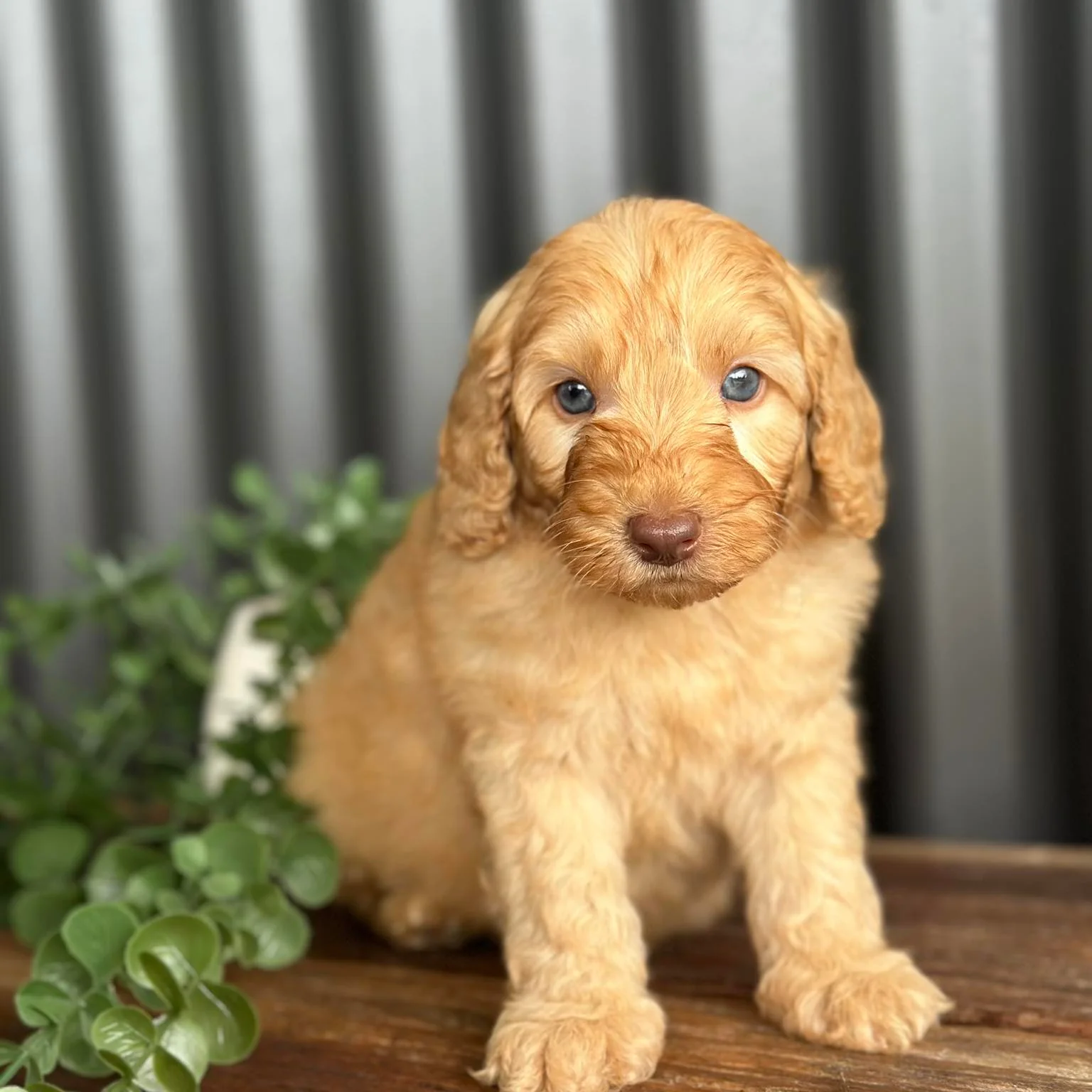
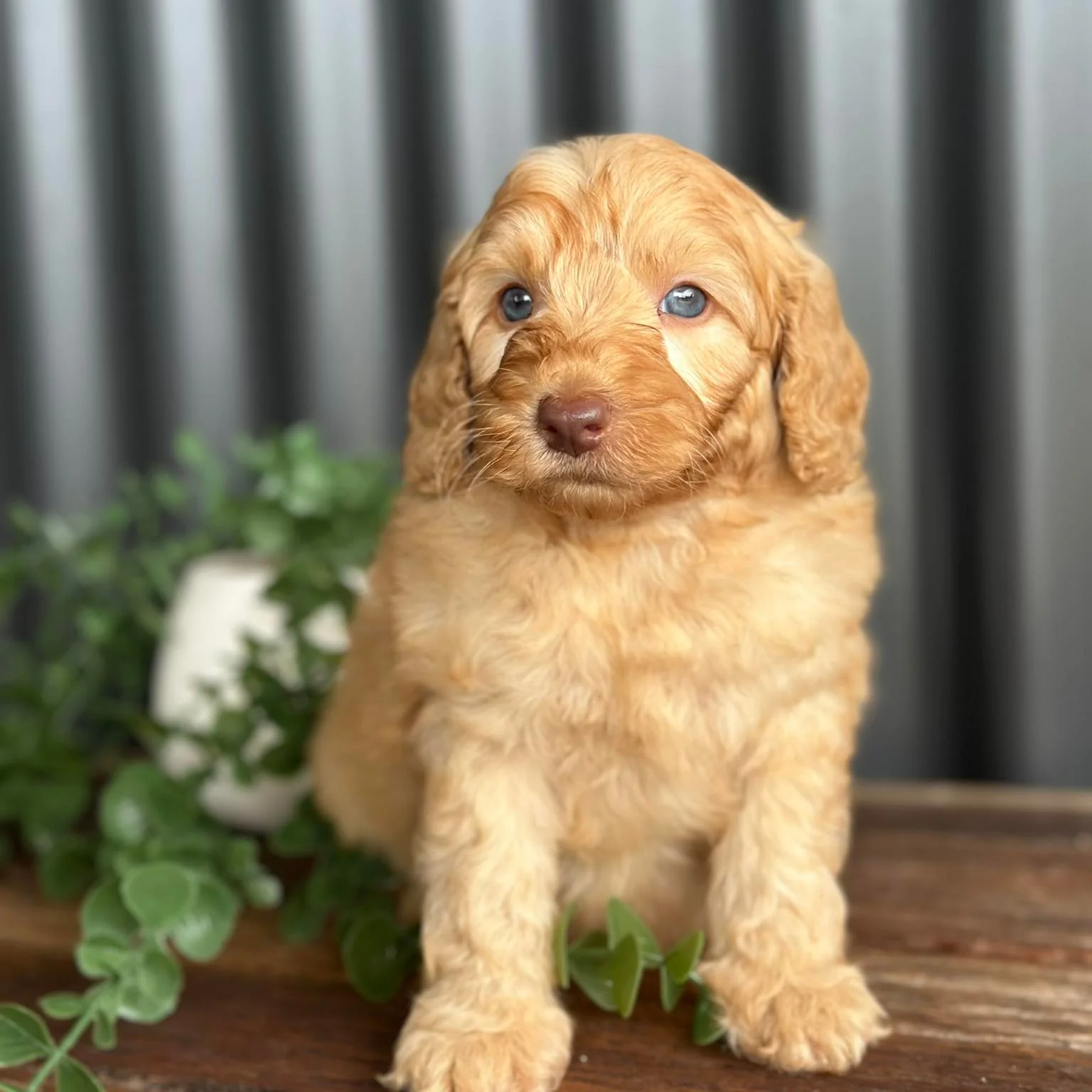
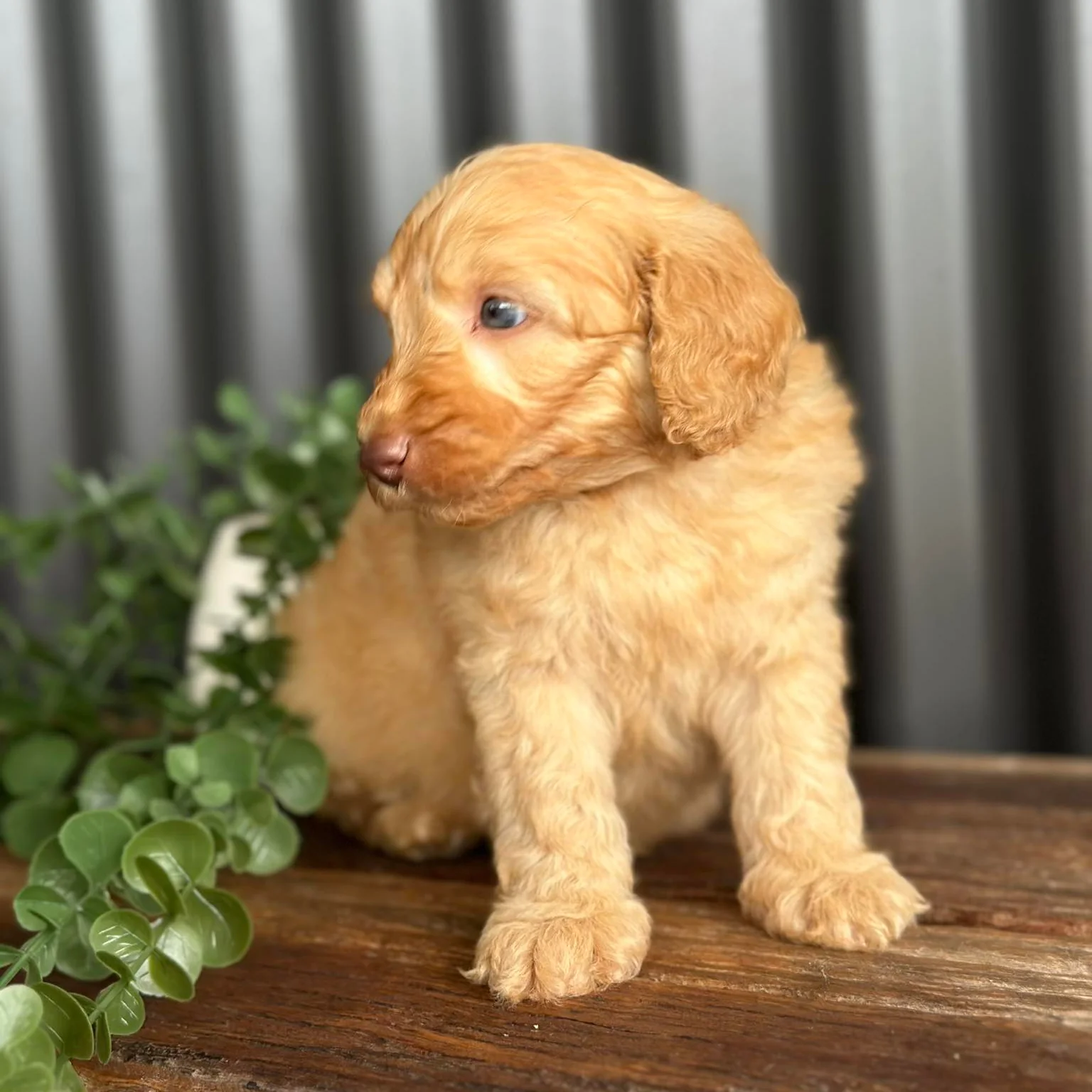
Description
Introduction to the Labradoodle
The Labradoodle has become a popular choice among dog lovers searching for an intelligent, affectionate, and playful companion. This charming crossbreed combines the Labrador Retriever with the Poodle, bringing together characteristics that many families and individuals appreciate.
Labradoodles are often admired for their friendly personalities, attractive coats, intelligence, and enthusiasm for spending time with people. They can be wonderful companions for active households that are prepared to provide proper training, exercise, grooming, and attention.
However, owning a Labradoodle involves more than enjoying its adorable appearance. Understanding its temperament, nutritional needs, grooming requirements, and health considerations is essential before welcoming one into your home.
1. What Is a Labradoodle?
A Labradoodle is a cross between a Labrador Retriever and a Poodle. The original purpose of this cross was to develop a dog that combined the Labrador’s assistance-dog qualities with the Poodle’s coat characteristics.
Today, Labradoodles are popular companion dogs and may come in different sizes depending on whether the Poodle parent is Standard, Miniature, or another size variety.
Common Labradoodle Sizes
- Standard Labradoodle: Generally larger and often suited to active households.
- Medium Labradoodle: Usually falls between standard and miniature sizes.
- Miniature Labradoodle: Typically smaller, although size can vary depending on genetics.
Because Labradoodles are crossbred dogs, their adult size, appearance, coat type, and temperament are not completely predictable.
2. Why Choose a Labradoodle?
There are several reasons why Labradoodles attract the attention of prospective dog owners.
Intelligent and Eager to Learn
Both Labrador Retrievers and Poodles are intelligent breeds. Labradoodles often enjoy learning commands, participating in training sessions, and solving simple challenges.
Affectionate and Friendly
Many Labradoodles develop strong bonds with their families. They enjoy companionship, playtime, and being involved in household activities.
Playful and Energetic
Labradoodles are often active dogs that enjoy outdoor adventures, interactive games, and regular exercise.
Versatile Companions
With appropriate training and socialization, Labradoodles may participate in obedience, agility, retrieving, and other canine activities.
3. Understanding Labradoodle Temperament
The temperament of a Labradoodle depends on genetics, upbringing, training, and socialization.
Are Labradoodles Good Family Dogs?
Many Labradoodles can make wonderful family companions because of their affectionate and playful personalities.
Children should be taught to interact gently with dogs. Adult supervision is essential, particularly when young children are interacting with puppies.
Are Labradoodles Friendly With Other Pets?
Labradoodles can often learn to live comfortably with other dogs and household pets when introduced gradually.
Positive experiences, consistent training, and supervised interactions can help encourage appropriate behavior.
4. Labradoodle Coat Types and Colors
One of the most interesting characteristics of the Labradoodle is its coat variety.
Fleece Coat
A fleece coat is often soft and may be wavy or loosely curled. It typically requires regular brushing to prevent tangles.
Wool Coat
A wool-type coat is generally curlier and may require more frequent brushing and professional grooming to prevent matting.
Hair-Type Coat
Some inherit a coat that resembles the Labrador Retriever’s hair. These coats may shed more than fleece or wool varieties.
Popular Colors
may come in several colors, including:
- Cream
- Apricot
- Chocolate
- Black
- Red
- Caramel
- Silver
- Parti-color combinations
Important: No Labradoodle coat is guaranteed to be completely non-shedding or hypoallergenic. Allergies are influenced by proteins found in a dog’s skin, saliva, and other materials, not just its coat.
5. Training Your
Training is essential for raising a confident and well-behaved Labradoodle.
Teach Basic Commands
Begin with simple commands such as:
- Sit
- Stay
- Come
- Down
- Leave it
- Walk calmly on a leash
Keep training sessions short, consistent, and rewarding.
Use Positive Reinforcement
Reward good behavior with treats, praise, toys, and playtime. Positive reinforcement encourages puppies to repeat desirable behaviors and helps strengthen trust.
Start Socialization Early
Gradually introduce your puppy to different people, sounds, environments, and experiences.
Ask your veterinarian about safe socialization opportunities while your puppy is completing its vaccination schedule.
For more training guidance, visit the American Kennel Club’s puppy training resources.
6. Nutrition and Feeding
Proper nutrition supports healthy growth, development, and long-term well-being.
Choosing the Right Food
Select complete and balanced food appropriate for your Labradoodle’s age, size, and activity level.
Puppies need food formulated for growth, while adult Labradoodles require an appropriate maintenance diet.
Healthy Feeding Practices
A balanced feeding routine should include:
- Age-appropriate dog food
- Fresh, clean drinking water
- Consistent feeding schedules
- Appropriate portion sizes
- Treats in moderation
Avoid overfeeding, as maintaining a healthy weight helps support joint health and overall wellness.
Never feed dogs dangerous foods such as chocolate, grapes, raisins, onions, or products containing xylitol.
For pet nutrition guidance, visit the American Animal Hospital Association.
7. Grooming Requirements for
often require regular grooming, particularly those with fleece or wool-type coats.
Regular Brushing
Brush your several times a week, or more frequently if its coat is curly or prone to matting.
Pay particular attention to areas behind the ears, under the legs, around the collar, and beneath the tail.
Professional Grooming
Many benefit from professional grooming every several weeks, depending on coat type and growth.
Bathing
Bathe your dog when necessary using a gentle, dog-safe shampoo. Make sure the coat is thoroughly rinsed and dried.
Ear, Nail, and Dental Care
Check the ears regularly, trim nails as needed, and introduce tooth brushing with dog-safe toothpaste.
Starting grooming routines early helps puppies become comfortable with handling.
8. Exercise and Mental Stimulation for
Labradoodles are often energetic dogs that benefit from regular exercise and mental enrichment.
Suitable Activities
- Daily walks appropriate for age
- Supervised playtime
- Gentle retrieving games
- Interactive toys
- Obedience training
- Scent-based games
- Safe outdoor exploration
Growing puppies should not be forced into excessive or strenuous exercise. Increase activity gradually as your dog matures.
Mental Enrichment
often enjoy learning and problem-solving activities. Puzzle toys, food games, and training exercises can help prevent boredom and encourage healthy behavior.
9. Health Considerations for
Although are crossbred dogs, they can still inherit health conditions from either parent breed.
Potential health concerns may include:
- Hip dysplasia
- Elbow dysplasia
- Certain eye disorders
- Ear infections
- Inherited conditions associated with Labrador Retrievers or Poodles
Responsible Health Care
Before choosing a puppy, ask about health screening of both parents.
Your puppy should receive regular veterinary examinations, appropriate vaccinations, parasite prevention, dental care, and monitoring of growth and weight.
For canine health screening information, visit the Orthopedic Foundation for Animals.
10. Preparing Your Home for a Puppy
Preparing your home before your puppy arrives helps create a safe and comfortable environment.
Essential Puppy Supplies
- Comfortable dog bed
- Puppy food
- Food and water bowls
- Collar and identification tag
- Harness and leash
- Puppy-safe chew toys
- Grooming brush
- Training treats
- Crate or playpen
- Cleaning supplies
Secure electrical cords, remove hazardous objects, and keep cleaning products out of reach.
Establish a consistent routine for feeding, training, exercise, and rest to help your puppy settle into its new home.
11. How to Choose a Healthy Puppy
Finding a responsible breeder is an important part of choosing a Labradoodle.
Questions to Ask Before Purchasing
- Have both parents undergone appropriate health testing?
- Can I meet the puppy and observe its environment?
- Can I review the puppy’s veterinary records?
- What vaccinations and deworming treatments have been completed?
- What food is the puppy currently eating?
- How has the puppy been socialized?
- What support is available after purchase?
Avoid sellers who refuse to provide health documentation, pressure you into immediate payment, or make unrealistic promises about coat type, size, or health.
Responsible breeders prioritize puppy welfare and help prospective owners understand the lifelong responsibilities of dog ownership.
Conclusion: Is a the Right Companion for You?
The can be a wonderful companion for individuals and families who enjoy an active lifestyle and are prepared to provide consistent care.
These dogs are often intelligent, affectionate, playful, and eager to learn. Their appealing personalities and varied appearances make them popular among dog lovers.
However, responsible ownership requires regular grooming, proper nutrition, daily exercise, consistent training, and preventive veterinary care.
By researching responsible breeders, asking important health questions, and preparing your home, you can give your Labradoodle a healthy, happy, and loving start in life.


Reviews
There are no reviews yet.