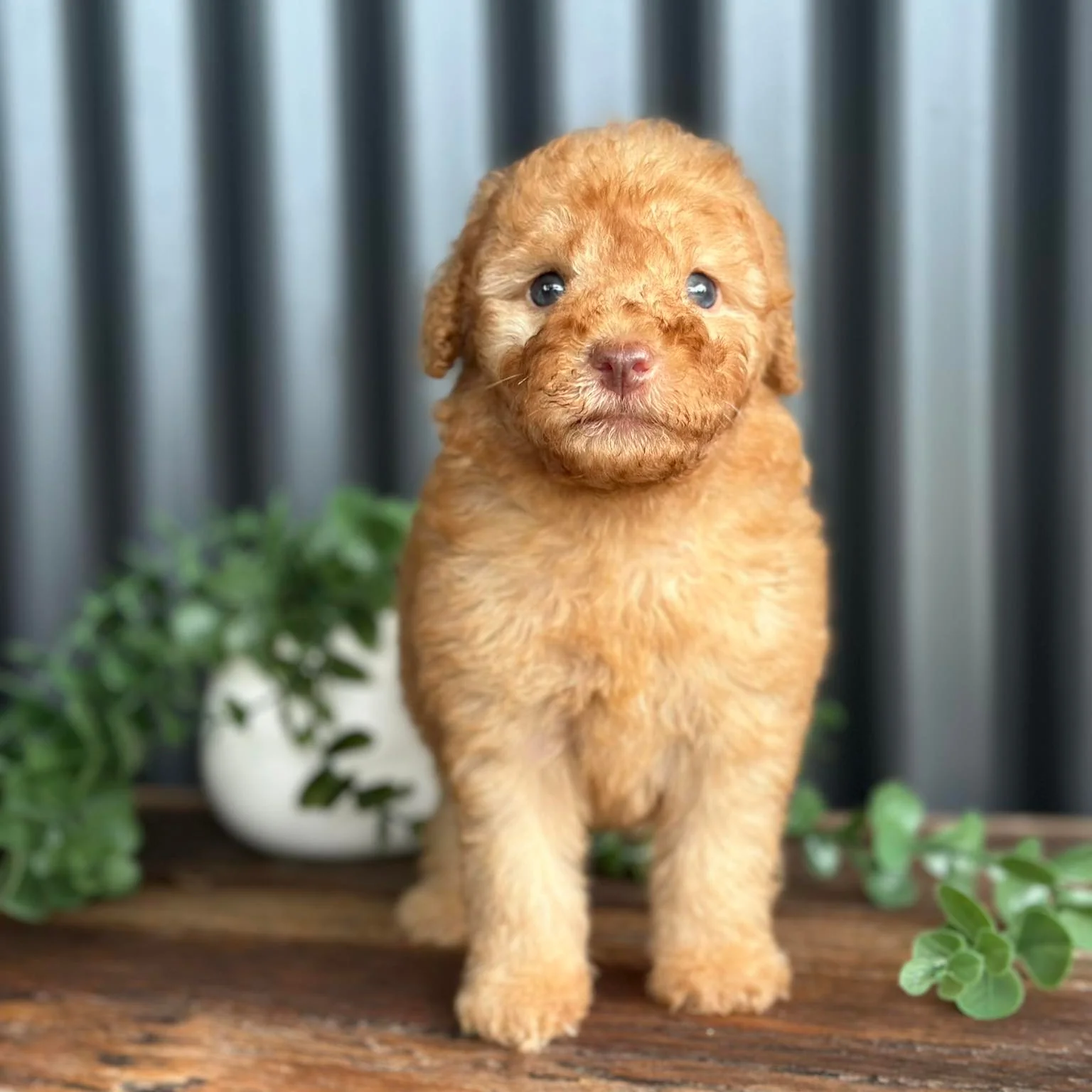
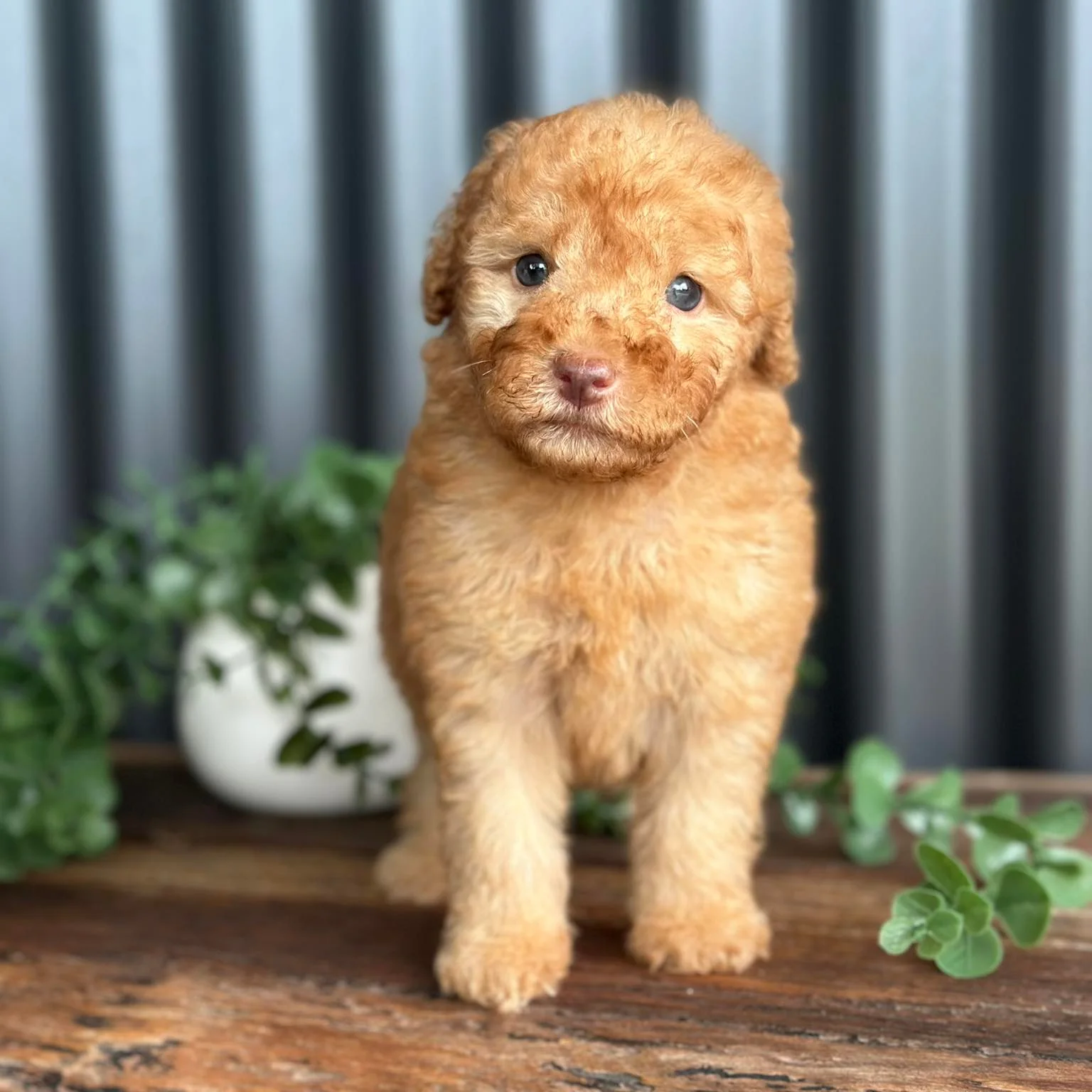
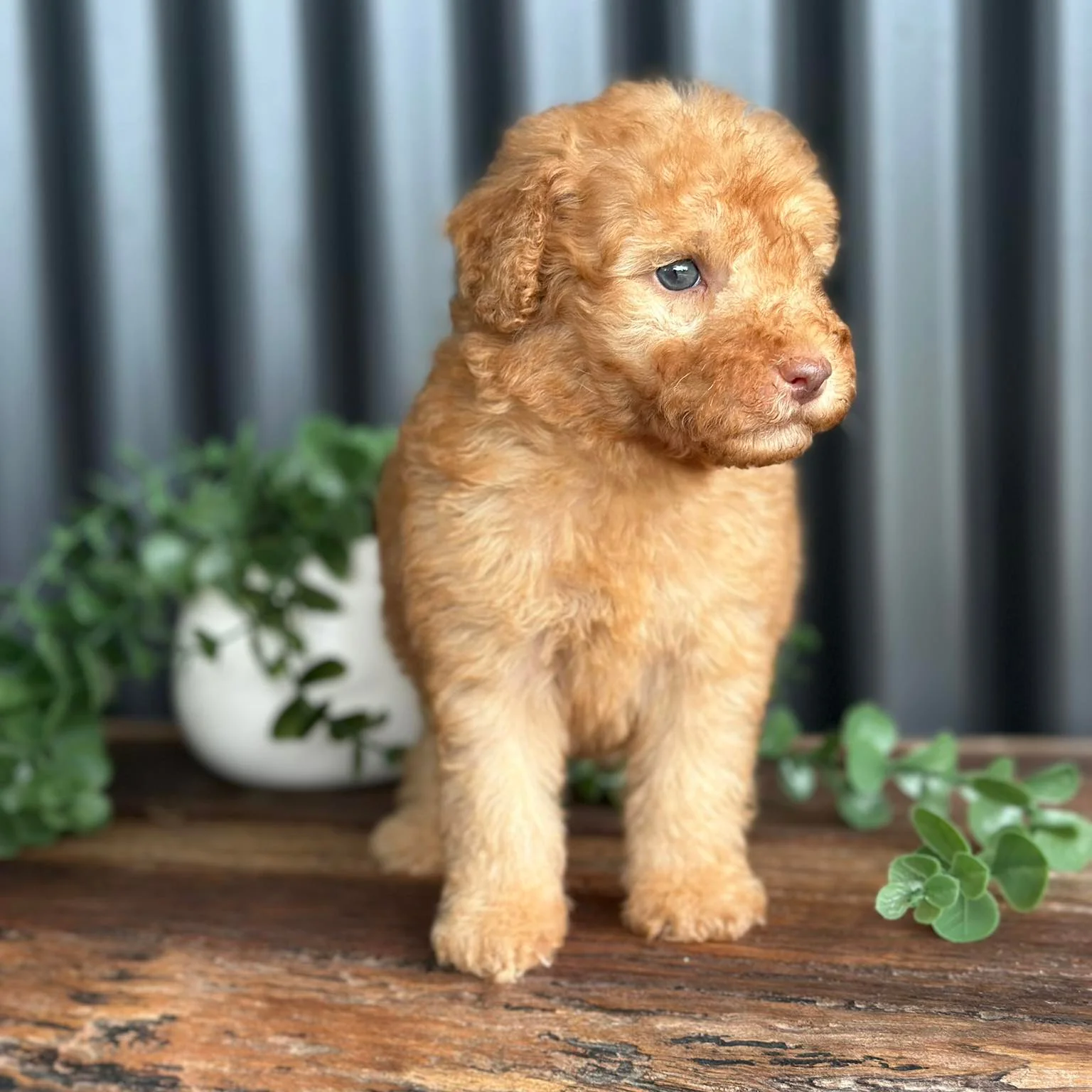
Description
Great Danoodle Breeder: 10 Essential Tips for Finding a Loving and Healthy Puppy
Finding a great danoodle breeder is an important first step toward welcoming a healthy, affectionate, and well-socialized puppy into your family. Great Danoodles, also known as Great Dane Poodles or Great Danoodle dogs, are a designer crossbreed between the Great Dane and the Standard Poodle. These dogs are admired for their affectionate personalities, intelligence, impressive size, and potential for beautiful coats.
Whether you are a first-time dog owner or an experienced pet parent, choosing the right breeder can make a significant difference in your puppy’s health, temperament, and early development. Responsible breeders prioritize the well-being of their dogs, provide appropriate veterinary care, and help prospective owners understand the responsibilities of raising this unique crossbreed.
This guide explains what to look for in a breeder, how to prepare for a great danoodle breeder, and what questions to ask before making your decision.
What Is a Great Danoodle?
A Great Danoodle is a cross between a Great Dane and a Standard Poodle. This combination brings together two popular breeds known for their distinctive characteristics.
Great Danes are often recognized for their gentle nature, loyalty, and large stature. Standard Poodles are intelligent, athletic, and highly trainable. Their offspring may inherit characteristics from either parent, making every Great Danoodle unique.
Common Great Danoodle Characteristics
Depending on genetics and parental traits, Great Danoodles may have:
- A large or giant body size
- An affectionate and people-oriented personality
- High intelligence and learning ability
- A playful and energetic temperament
- A wavy, curly, or relatively straight coat
- A need for regular exercise and companionship
Because this is a crossbreed, appearance, adult size, shedding, and temperament cannot be guaranteed. Prospective owners should learn about both parent breeds before deciding whether a Great Danoodle is the right fit.
10 Essential Qualities of a Danoodle Breeder
Choosing a responsible breeder involves more than finding available puppies. The breeder should demonstrate a commitment to canine health, responsible breeding practices, and lifelong puppy welfare.
1. Prioritizes Health Testing
A Danoodle breeder understands the importance of screening both parent dogs for inherited and breed-related health concerns.
Great Danes may be predisposed to conditions such as hip dysplasia, cardiac problems, and gastric dilatation-volvulus (bloat). Standard Poodles can be affected by hip problems, certain eye conditions, and other inherited disorders.
Ask the breeder about relevant health screenings and request documentation. You can learn more about canine health testing through the Orthopedic Foundation for Animals (OFA).
2. Provides Veterinary Records
Responsible breeders arrange appropriate veterinary examinations, vaccinations according to age and veterinary guidance, and parasite prevention.
Before bringing your puppy home, ask for:
- Veterinary examination records
- Vaccination and deworming history
- Microchip information, if applicable
- Feeding recommendations
- Details about any previous health concerns
Reliable documentation helps you continue your puppy’s healthcare with your own veterinarian.
3. Raises Puppies in a Clean Environment
A puppy’s early surroundings can influence its comfort, confidence, and behavior.
A responsible breeder maintains clean, safe, and comfortable living spaces. Puppies should have opportunities for age-appropriate play, rest, and positive interaction with people.
Whenever possible, ask to see where the puppies are raised and observe their environment.
4. Understands the Parent Breeds
A knowledgeable breeder should be familiar with the characteristics and needs of both Great Danes and Standard Poodles.
They should explain potential adult size, activity levels, grooming requirements, and behavioral traits without making unrealistic promises.
A breeder who honestly discusses both the benefits and challenges of Great is more trustworthy than someone who describes every puppy as perfect for every household.
5. Encourages Early Socialization
Early socialization helps puppies become familiar with different sights, sounds, experiences, and gentle human interactions.
Ask how the breeder introduces puppies to:
- Household sounds and everyday activities
- Different surfaces and safe environments
- Gentle handling and grooming
- Age-appropriate play
- Positive experiences with people
The American Kennel Club’s puppy socialization guidance provides helpful information about supporting healthy early development.
6. Offers Transparent Communication
A responsible breeder welcomes questions and provides clear information about their breeding program.
They should be willing to discuss the parent dogs, puppy care, health history, contracts, and their policies for unexpected circumstances.
Avoid breeders who pressure you to make immediate payments, refuse to provide documentation, or discourage reasonable questions.
7. Matches Puppies With Suitable Families
Not every puppy has the same personality. Some may be more energetic, while others may be calmer or more independent.
An experienced breeder observes individual puppies and helps prospective owners select a puppy whose temperament and needs are compatible with their household.
This thoughtful approach can support a more successful transition for both the puppy and its new family.
8. Provides a Clear Purchase Agreement
A written agreement helps establish expectations between the breeder and buyer.
Before committing, review details such as:
- Purchase price and payment terms
- Health guarantees and their limitations
- Veterinary responsibilities
- Return or rehoming policies
- Registration or documentation, if applicable
- Breeder support after adoption
Never rely solely on verbal promises when purchasing a puppy.
9. Supports Responsible and Ethical Breeding
Ethical breeders consider the health, welfare, and suitability of parent dogs before planning a litter.
They avoid excessive breeding, provide appropriate care for breeding dogs, and make decisions based on health and temperament rather than appearance or profit alone.
You can explore general animal welfare recommendations through the RSPCA.
10. Provides Ongoing Guidance
A responsible breeder understands that their role does not end when a puppy leaves their home.
They should be willing to provide advice about nutrition, grooming, training, adjustment, and general care. Some breeders also include a return-to-breeder clause if an owner can no longer care for the dog.
Ongoing guidance is especially valuable when raising a large, intelligent, and energetic dog.
How to Prepare for Your Great Puppy
Before bringing your puppy home, prepare a safe and comfortable environment.
Create a Puppy-Friendly Space
Great Danoodles can grow into large dogs, so it is helpful to plan for their future size.
Prepare a comfortable sleeping area, sturdy food and water bowls, appropriate toys, secure fencing where possible, and a safe space for rest.
Remove household hazards such as toxic plants, exposed electrical cords, and small objects that puppies might swallow.
Choose Appropriate Nutrition
Nutrition is particularly important for puppies expected to become large or giant dogs.
Ask your veterinarian to recommend a complete and balanced puppy food suitable for your puppy’s expected adult size. Large-breed growth requires careful nutritional management, and excessive or poorly balanced supplementation can be harmful.
Avoid changing food suddenly. Gradual transitions can help reduce digestive upset.
Establish a Training Routine
Great Danoodles may inherit the Poodle’s intelligence and the Great Dane’s affectionate nature. Consistent, positive reinforcement can help them learn household expectations.
Begin with basic skills such as:
- Name recognition
- Potty training
- Recall
- Leash manners
- Gentle greetings
- Settling calmly
Short, positive training sessions are often more effective than long, repetitive ones.
Grooming and Exercise Requirements
A Great Danoodle’s grooming needs depend heavily on its coat type.
Dogs with curlier coats may require frequent brushing and professional grooming to prevent matting. Dogs with straighter coats may shed more and still need regular brushing.
Exercise should also be adjusted according to age, health, and development. Puppies should not be forced into strenuous exercise while their bones and joints are developing. Ask your veterinarian for appropriate activity recommendations.
As adults, Great Danoodles generally benefit from regular walks, supervised play, mental enrichment, and opportunities to interact with their families.
Questions to Ask a Danoodle Breeder
Before choosing your puppy, consider asking:
- What health tests have been performed on both parent dogs?
- Can I review the parents’ veterinary and health-screening records?
- How are the puppies socialized?
- What food are the puppies currently eating?
- What veterinary care has each puppy received?
- What adult size range should I realistically expect?
- What support do you offer after the puppy goes home?
- What happens if I can no longer care for the dog?
The answers can help you evaluate whether the breeder is knowledgeable, transparent, and genuinely committed to puppy welfare.
Is a Great Danoodle the Right Dog for You?
Great Danoodles can make loving companions for suitable households. However, their potential size, exercise needs, training requirements, and grooming responsibilities deserve careful consideration.
They may be a good fit for people who have sufficient space, time for companionship and training, and the financial resources to care for a large dog.
Remember that no breeder can guarantee a particular personality, coat type, shedding level, or adult size in a crossbreed. Understanding this uncertainty helps families make realistic and responsible decisions.
Conclusion
Finding a Danoodle breeder requires research, patience, and careful evaluation. Responsible breeders prioritize health testing, veterinary care, proper socialization, ethical practices, and transparent communication.
By asking thoughtful questions, reviewing health documentation, and preparing your home, you can take meaningful steps toward welcoming a Danoodle puppy into your family.
The best breeder is not simply someone with puppies available. It is someone who cares about the well-being of every puppy and helps ensure that each one finds a safe, loving, and suitable home.
Useful DoFollow External Resources
- Orthopedic Foundation for Animals (OFA) — Canine health screening and testing information.
- American Kennel Club (AKC) — Dog training, socialization, and responsible ownership resources.
- RSPCA — Dog welfare and responsible pet care guidance.
- American Animal Hospital Association (AAHA) — Veterinary healthcare and pet wellness resources.
Reviews
There are no reviews yet.