Description
Introduction to Cavoodle Puppies
Cavoodle puppies have become increasingly popular among dog lovers because of their affectionate personalities, adorable appearance, and friendly nature. Also known as Cavapoos, these charming dogs are a cross between a Cavalier King Charles Spaniel and a Poodle. Their combination of intelligence, companionship, and playful behavior makes them appealing to many families and individuals.
Whether you are considering welcoming your first puppy or adding another dog to your household, learning about Cavoodle puppies is an important step toward responsible ownership. Understanding their grooming requirements, nutritional needs, temperament, and training can help you prepare for a rewarding relationship with your new companion.
1. What Are Cavoodle Puppies?
Cavoodle puppies are designer dogs developed by crossing a Cavalier King Charles Spaniel with a Poodle, commonly a Toy or Miniature Poodle. The goal of this cross is to combine the Cavalier’s affectionate personality with the Poodle’s intelligence and coat characteristics.
Cavoodles can vary in size, coat texture, and appearance depending on their parentage. Some have soft, wavy coats, while others have curlier fur.
Common characteristics include:
- Friendly and affectionate personalities
- Intelligent and curious behavior
- Small to medium-sized bodies
- Playful and energetic nature
- Strong desire for companionship
- A variety of coat colors and patterns
Because Cavoodles are crossbred dogs, their physical characteristics and temperaments are not completely predictable.
2. Why Cavoodle Puppies Make Wonderful Companions
One of the main reasons people love Cavoodle puppies is their affectionate and sociable nature. They often enjoy spending time with their owners and participating in everyday activities.
Affectionate and Loving Personalities
Cavoodles often develop strong bonds with their families. They may enjoy cuddling, playing, relaxing nearby, and receiving attention.
Their companion-oriented nature makes them appealing to people looking for a loving household pet.
Intelligent and Eager to Learn
Poodles are known for their intelligence, and Cavoodles often inherit a willingness to learn. With patience and consistent positive reinforcement, they can learn basic commands, household routines, and desirable behaviors.
Playful and Entertaining
Cavoodle puppies enjoy interactive play and exploring their surroundings. Their playful personalities can bring excitement and companionship into a household.
However, puppies also need adequate rest. Balancing playtime with sleep is important for healthy development.
3. Different Colors and Coat Types of Cavoodle Puppies
Cavoodle puppies come in a variety of attractive colors and coat patterns.
Apricot Cavoodles
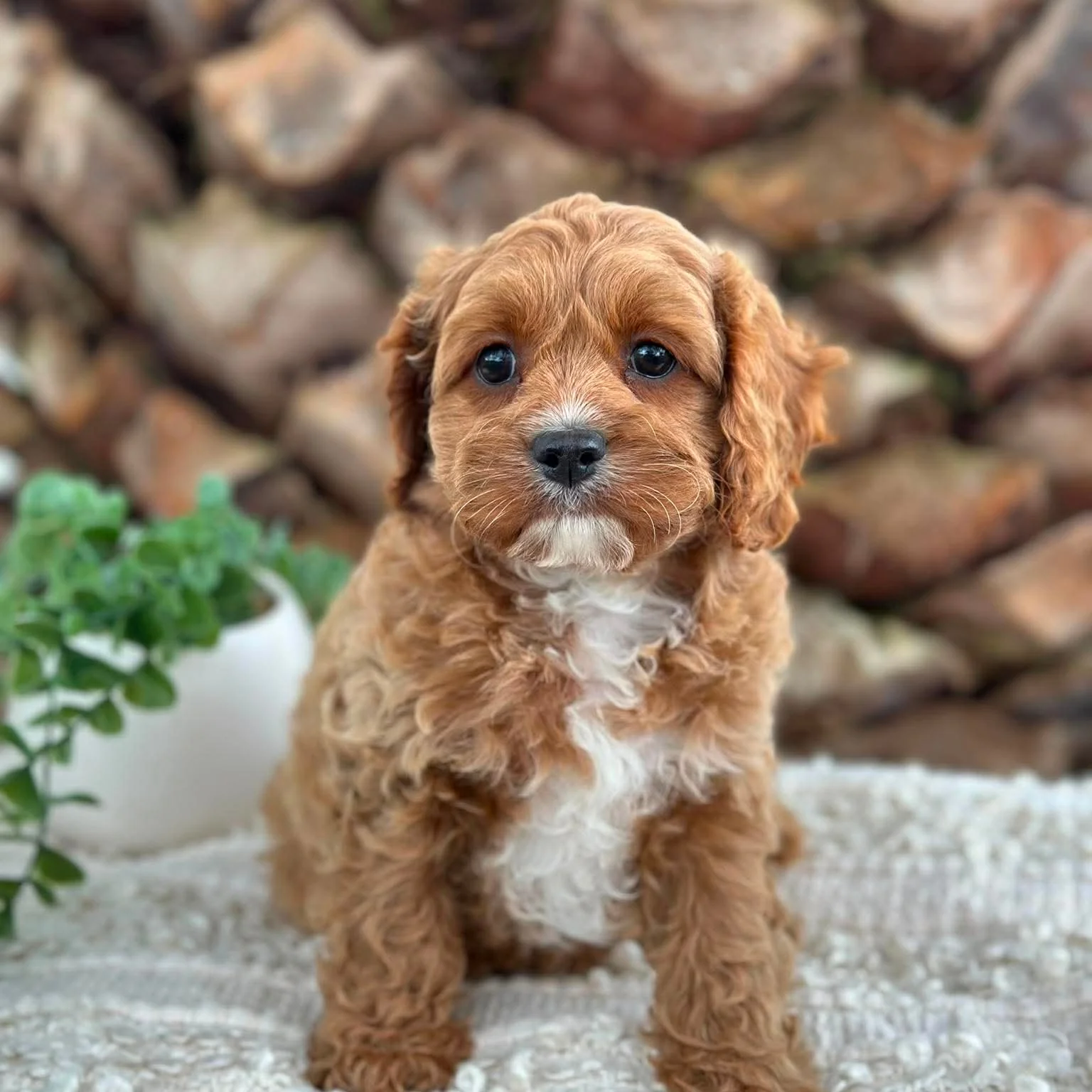
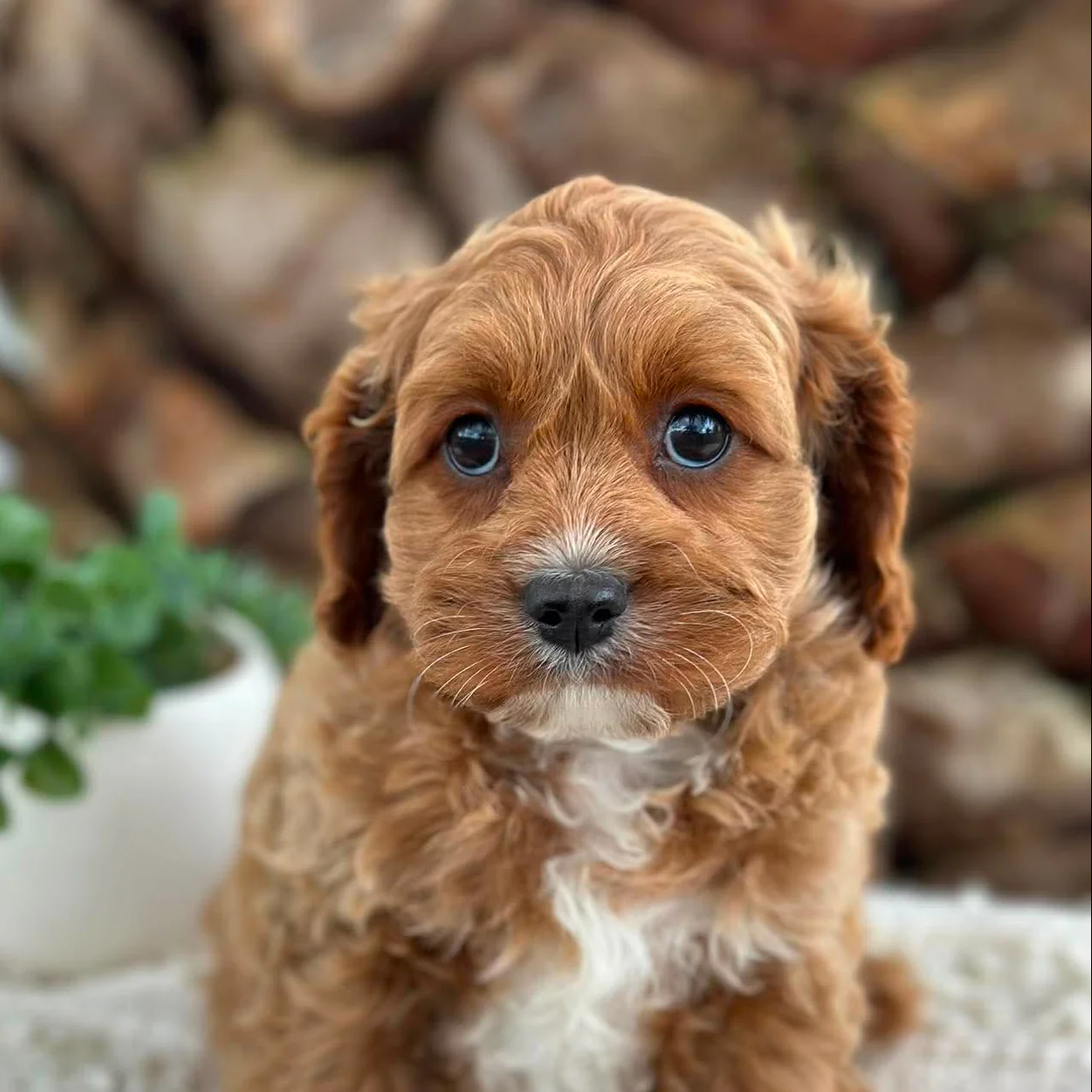
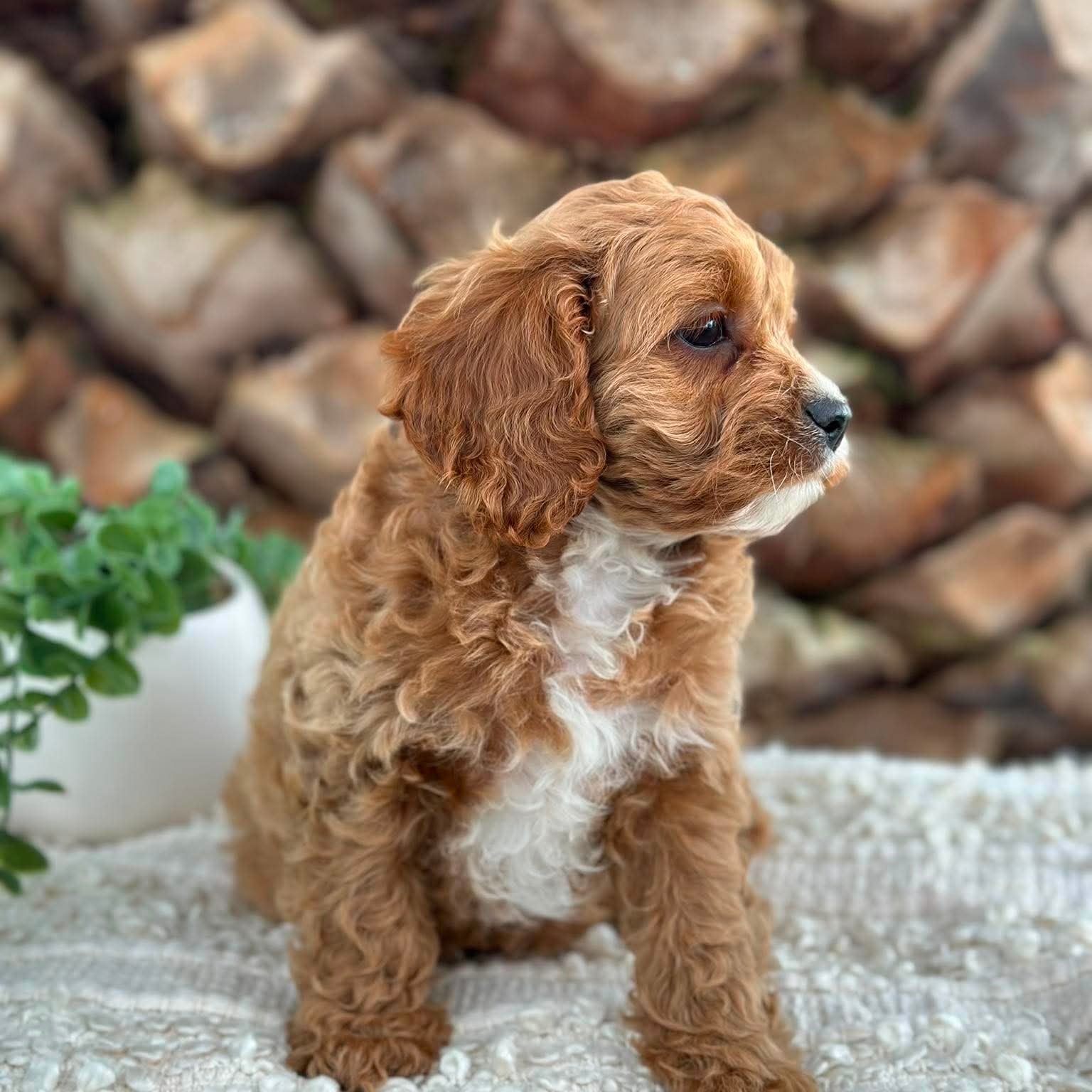
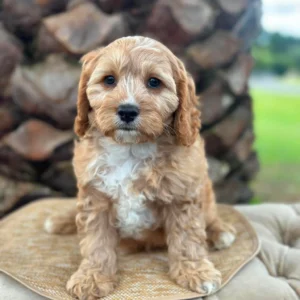
Apricot Cavoodles have warm, reddish-gold or light orange coats. Their appealing color makes them popular among prospective owners.
Red Cavoodles
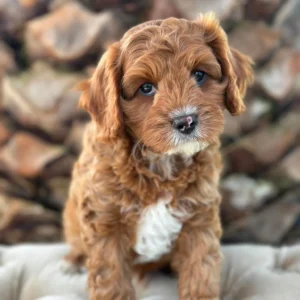
Red Cavoodles have deeper reddish coats that can vary in intensity as they grow.
Cream Cavoodles
Cream-colored Cavoodles have light coats that may range from ivory to pale beige.
Chocolate Cavoodles
Chocolate Cavoodles feature brown coats that can vary from lighter shades to rich, dark chocolate.
Black Cavoodles
Black Cavoodles have dark coats that may be solid or feature small contrasting markings.
Important: Coat color does not determine a puppy’s health, temperament, or suitability as a companion. Responsible breeding and health testing should always be prioritized over appearance.
4. Training Cavoodle Puppies
Training is an important part of raising a well-adjusted Cavoodle. Starting early helps puppies understand household expectations and develop confidence.
Basic Commands
Begin with simple commands such as:
- Sit
- Stay
- Come
- Down
- Leave it
- Walking on a leash
Keep sessions short and enjoyable. Reward desired behavior with treats, praise, or play.
Toilet Training
Establish a regular toilet routine. Take your puppy outside after waking, eating, drinking, and playing, and reward successful toileting.
Accidents are normal during puppyhood. Patience and consistency are more effective than punishment.
Socialization
Introduce your puppy gradually to different people, environments, sounds, and experiences. Positive socialization helps puppies become more comfortable in unfamiliar situations.
Ask your veterinarian about safe socialization practices while your puppy is completing its vaccination schedule.
For helpful training information, visit the American Kennel Club’s dog training resources.
5. Nutrition and Feeding Cavoodle Puppies
Proper nutrition supports healthy growth, development, and energy levels.
Choosing the Right Puppy Food
Select a complete and balanced puppy food suitable for your puppy’s age and expected adult size. Your veterinarian can help you choose an appropriate diet.
A healthy feeding routine should include:
- Age-appropriate puppy food
- Fresh drinking water
- Consistent meal times
- Appropriate portion sizes
- Treats given in moderation
Small puppies may need several meals throughout the day. Feeding frequency should be adjusted as your puppy grows and according to veterinary guidance.
Avoid giving puppies harmful foods such as chocolate, grapes, raisins, onions, and foods containing xylitol.
For additional pet nutrition guidance, visit the American Animal Hospital Association.
6. Grooming Requirements for Cavoodle Puppies
Cavoodle puppies often have coats that require regular grooming. Depending on genetics, their fur may be wavy, curly, or relatively straight.
Regular Brushing
Brush your puppy several times a week to prevent tangles and matting. Curly or longer coats may require more frequent brushing.
Professional Grooming
Many Cavoodles benefit from professional grooming every few weeks, depending on coat growth and style.
Bathing
Bathe your puppy when necessary using a gentle, dog-safe shampoo. Avoid excessive bathing, which may irritate the skin.
Ear and Dental Care
Check your puppy’s ears regularly and introduce gentle tooth brushing using dog-safe toothpaste.
Establishing grooming routines early helps Cavoodle puppies become comfortable with regular handling.
7. Exercise and Mental Stimulation for Cavoodle Puppies
Although Cavoodles are often small dogs, they still need daily exercise and mental enrichment.
Suitable Puppy Activities
- Short, gentle walks
- Supervised playtime
- Interactive toys
- Basic obedience practice
- Food puzzles
- Gentle games with family members
Growing puppies should not be forced into excessive exercise. Allow them to rest whenever they become tired, and consult your veterinarian about suitable activity levels.
Mental stimulation is equally important. Teaching new tricks and providing safe enrichment activities can help prevent boredom.
8. Health and Veterinary Care for Cavoodle Puppies
Cavoodle puppies can inherit health conditions associated with either parent breed. Responsible breeders should prioritize health screening and transparency.
Potential concerns may include heart conditions, eye disorders, patellar luxation, and certain inherited disorders.
Before purchasing or adopting Cavoodle puppies, ask about:
- Health testing of both parents
- Veterinary examination records
- Vaccination and deworming history
- Genetic screening where appropriate
- Microchip information
- Health guarantees and breeder support
Arrange a veterinary appointment soon after bringing your puppy home. Regular checkups help monitor development and support preventive care.
Learn more about responsible canine health screening through the Orthopedic Foundation for Animals.
9. Are Cavoodle Puppies Suitable for Apartment Living?
Cavoodle puppies can often adapt to apartment living because of their relatively compact size. However, small size does not mean they can be left without attention or exercise.
Apartment owners should provide:
- Daily age-appropriate exercise
- Regular toilet breaks
- Consistent training
- Interactive toys
- Comfortable sleeping arrangements
- Opportunities for social interaction
Cavoodles are companion dogs and may struggle when left alone for long periods. Gradually teaching a puppy to spend short periods alone can help build independence.
10. How to Choose Healthy Cavoodle Puppies
Finding a responsible breeder is essential when searching for Cavoodle puppies.
Questions to Ask Before Purchasing
- Have both parents received appropriate health testing?
- Can I see the puppy’s veterinary records?
- What vaccinations and deworming treatments have been completed?
- How have the puppies been socialized?
- What food are the puppies currently eating?
- What support is available after the puppy goes home?
Avoid sellers who refuse to provide health information, offer unrealistic guarantees, or pressure you to make immediate payments.
Responsible breeders prioritize puppy welfare and help buyers understand the lifelong responsibilities of dog ownership.
11. Preparing Your Home for Cavoodle Puppies
Before bringing your puppy home, create a safe and welcoming environment.
Essential Puppy Supplies
- Comfortable dog bed
- Food and water bowls
- Puppy food
- Collar and identification tag
- Properly fitted harness and leash
- Puppy-safe chew toys
- Grooming brush
- Training treats
- Crate or playpen
- Cleaning supplies
Remove dangerous household items and secure electrical cords. Establishing a consistent daily routine can help your puppy settle into its new surroundings.
Conclusion: Are Cavoodle Puppies Right for You?
Cavoodle puppies are affectionate, intelligent, playful, and charming companions. Their friendly personalities and manageable size make them appealing to many dog lovers.
However, responsible ownership requires commitment to training, grooming, nutrition, exercise, and veterinary care. Prospective owners should also understand that coat characteristics, adult size, and temperament can vary because Cavoodles are crossbred dogs.
With proper preparation, a responsible breeder, and a loving home, Cavoodle puppies can grow into wonderful companions and become cherished members of the family.

Reviews
There are no reviews yet.