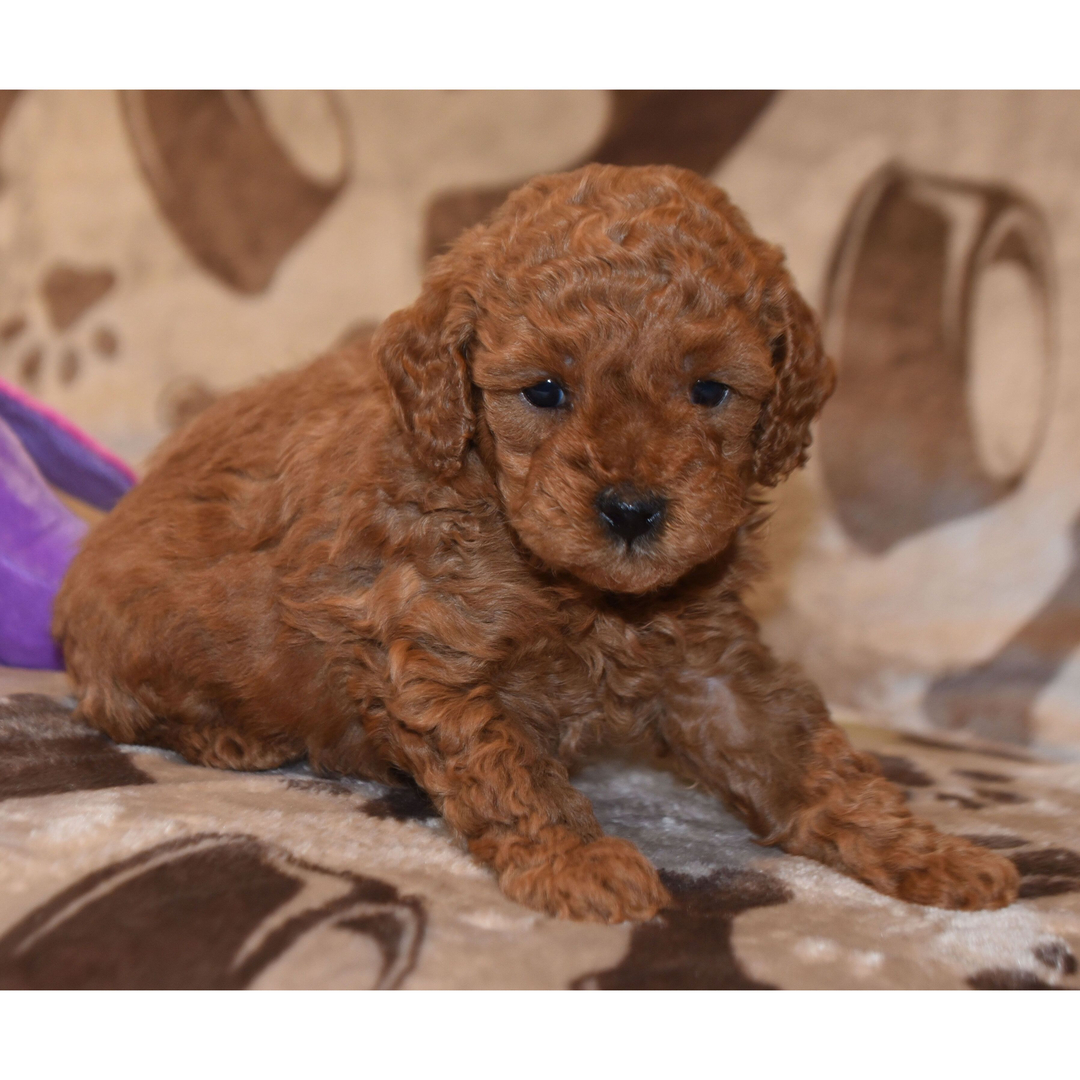

Introduction to Corgi Corgi Puppies
Corgi Corgi Corgi puppies are adored by dog lovers around the world for their adorable appearance, playful personalities, and charming expressions. With their short legs, fluffy coats, alert ears, and cheerful temperament, Corgis have become popular companions for families and individuals alike.
The word “Corgi” refers to two recognized breeds: the Pembroke Welsh Corgi and the Cardigan Welsh Corgi. Both breeds are intelligent, energetic, and affectionate dogs with a fascinating history as herding animals.
Whether you are searching for a Corgi puppy for companionship or simply want to learn more about this delightful breed, understanding its characteristics, exercise requirements, grooming routine, and health needs is essential.
What Is a Corgi?
Corgis are small-to-medium herding dogs originally developed in Wales. Despite their short legs, these dogs are athletic, alert, and capable of impressive physical activity.
They were historically used to herd cattle, which explains their intelligence, confidence, and instinct to remain attentive to their surroundings.
Two Popular Types of Corgi Dogs
Pembroke Welsh : Recognized for its fox-like appearance, shorter stature, and commonly docked or naturally short tail.
Cardigan Welsh : Generally has a longer tail, slightly larger bone structure, and a wider variety of coat colors.
Both breeds share many appealing qualities, including intelligence, loyalty, playfulness, and a strong connection with their families.
Corgi: 10 Amazing Reasons to Love These Puppies
1. Adorable and Unique Appearance
Corgi puppies have an unmistakable appearance that makes them instantly recognizable.
Their short legs, long bodies, large ears, and fluffy coats create a charming look that many dog lovers adore.
As they mature, their puppy features gradually develop into the distinctive appearance of an adult Corgi.
2. Intelligent and Quick Learners
Corgis are intelligent dogs that can learn commands, routines, and household expectations quickly.
Their intelligence makes training rewarding, although they may sometimes display an independent personality.
Consistent training using positive reinforcement helps encourage desirable behavior.
3. Playful and Energetic Personalities
puppies are often lively, curious, and enthusiastic about playtime.
They enjoy interactive games, exploration, and spending time with their families.
Providing suitable activities helps channel their energy into positive behaviors.
4. Loyal and Affectionate Companions
Corgis often develop strong bonds with their owners.
They enjoy companionship and may follow their favorite people around the house.
Their affectionate nature makes them wonderful companions for households that can provide regular attention and interaction.
5. Excellent Family Companions
With proper training and socialization, Corgis can make excellent family pets.
Children should always be supervised around puppies, and everyone in the household should learn how to handle dogs gently and respectfully.
6. Compact Size
Corgis have relatively compact bodies, making them suitable for many living environments.
However, their smaller stature does not mean they require little exercise. They are active working dogs that need daily movement and mental stimulation.
7. Beautiful Coat Colors
Corgis come in attractive colors and patterns.
Pembroke Welsh Corgis are commonly seen in red, sable, fawn, and black-and-tan combinations with white markings.
Cardigan Welsh Corgis may also display brindle and blue merle patterns.
8. Natural Alertness
Corgis are naturally observant and attentive.
Their herding background makes them responsive to movement and environmental changes.
Early socialization can help them become confident and comfortable around unfamiliar people and situations.
9. Versatile and Athletic Nature
Despite their short legs, Corgis can participate in various activities, including obedience, agility, herding, and scent work.
Their athletic abilities demonstrate that appearance does not define a dog’s capabilities.
10. Wonderful Lifelong Companionship
Corgis can become treasured family members when given appropriate care, training, and attention.
Their entertaining personalities and affectionate behavior can make everyday life more enjoyable.
Training and Socialization for Puppies
Training is an essential part of raising a well-behaved Corgi.
Because these dogs are intelligent and sometimes independent, establishing consistent routines early can make training easier.
Important Corgi Puppy Training Tips
Positive reinforcement: Reward good behavior with treats, praise, and play.
Toilet training: Establish regular bathroom breaks and reward successful habits.
Basic commands: Teach sit, stay, come, and leave it through short training sessions.
Leash training: Introduce walking equipment gradually and encourage calm behavior.
Socialization: Introduce your puppy to new environments, sounds, people, and experiences in a positive and age-appropriate manner.
Barking management: Teach appropriate responses to environmental sounds and avoid reinforcing excessive barking.
For helpful information, visit the American Kennel Club’s Pembroke Welsh Corgi guide.
Grooming and Coat Care for Corgis
Corgis have a double coat consisting of a dense undercoat and a protective outer coat.
Regular grooming is necessary to remove loose hair, maintain coat condition, and prevent excessive buildup of shedding fur.
Corgi Grooming Routine
- Brush several times per week.
- Increase brushing during seasonal shedding.
- Bathe when necessary using dog-friendly shampoo.
- Check ears regularly for dirt or irritation.
- Trim nails when needed.
- Maintain dental hygiene through regular brushing.
- Inspect paws after outdoor activities.
Corgis shed throughout the year, with heavier shedding often occurring during seasonal coat changes.
For additional guidance, explore the American Kennel Club’s dog grooming resources.
Health and Wellness of Puppies
Corgis can enjoy active and fulfilling lives when provided with proper nutrition, exercise, preventive veterinary care, and responsible breeding.
However, prospective owners should understand certain health concerns associated with the breed.
Potential health considerations include:
- Intervertebral disc disease (IVDD)
- Hip dysplasia
- Degenerative myelopathy
- Obesity
- Eye conditions
- Certain inherited disorders
Choosing a Responsible Corgi Breeder
When searching for Corgi puppies, prioritize health and responsible breeding practices.
Ask breeders about:
- Health screening of both parents
- Relevant genetic testing
- Veterinary examination records
- Vaccination and deworming history
- Microchipping
- Puppy socialization
- The health and temperament of the parents
- Ongoing breeder support
For additional information, visit the Orthopedic Foundation for Animals and RSPCA Australia.
Nutrition and Feeding Corgi Puppies
Balanced nutrition plays an important role in healthy puppy development.
Corgi puppies should receive complete and balanced food appropriate for their age, size, and growth requirements.
Healthy Feeding Practices
- Choose a high-quality puppy food.
- Follow appropriate feeding portions.
- Provide fresh drinking water.
- Divide meals according to age and veterinary advice.
- Avoid excessive treats.
- Monitor body condition and weight.
- Consult a veterinarian about dietary changes.
Because Corgis have long bodies and relatively short legs, maintaining a healthy weight is particularly important.
Avoid overfeeding and excessive weight gain, which may place additional stress on their joints and backs.
Exercise and Mental Stimulation for Corgis
Corgis are active dogs that benefit from daily exercise and mental engagement.
However, puppies should receive age-appropriate activity without excessive jumping, repetitive stair climbing, or high-impact exercise while they are growing.
Activities Puppies Enjoy
- Short, appropriate daily walks
- Interactive play
- Puzzle toys
- Basic obedience training
- Scent games
- Gentle retrieving activities
- Supervised outdoor exploration
Mental stimulation is particularly valuable for intelligent breeds such as Corgis.
Are Corgis Good Family Pets?
Corgis can make wonderful companions for families and individuals who appreciate an active, intelligent, and affectionate dog.
They generally thrive in households that provide consistent training, exercise, companionship, and mental stimulation.
However, their herding instincts may sometimes lead them to chase movement or nip at heels. Proper training and management can help teach appropriate behavior.
Families should consider their lifestyle and ability to meet the breed’s needs before welcoming a Corgi puppy.
Finding Healthy Puppies
Finding a healthy and well-socialized puppy requires careful research.
Avoid purchasing a puppy based only on photographs or unusually low prices. Responsible breeders prioritize the health, temperament, and wellbeing of their dogs.
Questions to Ask Before Bringing a Corgi Home
- Can I meet the puppy and observe its living environment?
- Can I meet the puppy’s mother?
- What health screenings have the parents received?
- Has the puppy undergone a veterinary examination?
- Are vaccination and microchip records available?
- How has the puppy been socialized?
- What guidance is available after purchase?
For more information about responsible pet ownership, visit the RSPCA.
Conclusion: Why Puppies Are So Special
Corgi puppies are intelligent, playful, affectionate, and charming companions that can bring happiness to many households.
However, raising a Corgi requires commitment, proper nutrition, consistent training, regular grooming, exercise, and routine veterinary care.
Before welcoming a puppy into your home, research responsible breeders and prepare a safe, comfortable environment.
With patience, love, and consistent care, your Corgi can grow into a wonderful companion and a cherished member of your family.
